Lebanon Top Hardscaping Services for Patios and Walkways
Lebanon Top Hardscaping Services for Patios and Walkways
Blog Article
Hardscaping Services: Upgrade Your Backyard Area With Attractive Features
Hardscaping options play a vital role in revamping outdoor areas. By incorporating components like patios, walkways, and fire pits, these services strengthen both functionality and visual charm. The ideal materials can improve drainage and build inviting areas for leisure. However, comprehending the various aspects of hardscaping is crucial for making informed decisions. Which components should one focus on, and how can they truly increase a property's worth? Exploring these questions brings to light more to reflect on.
Understanding Hardscaping and Its Significance
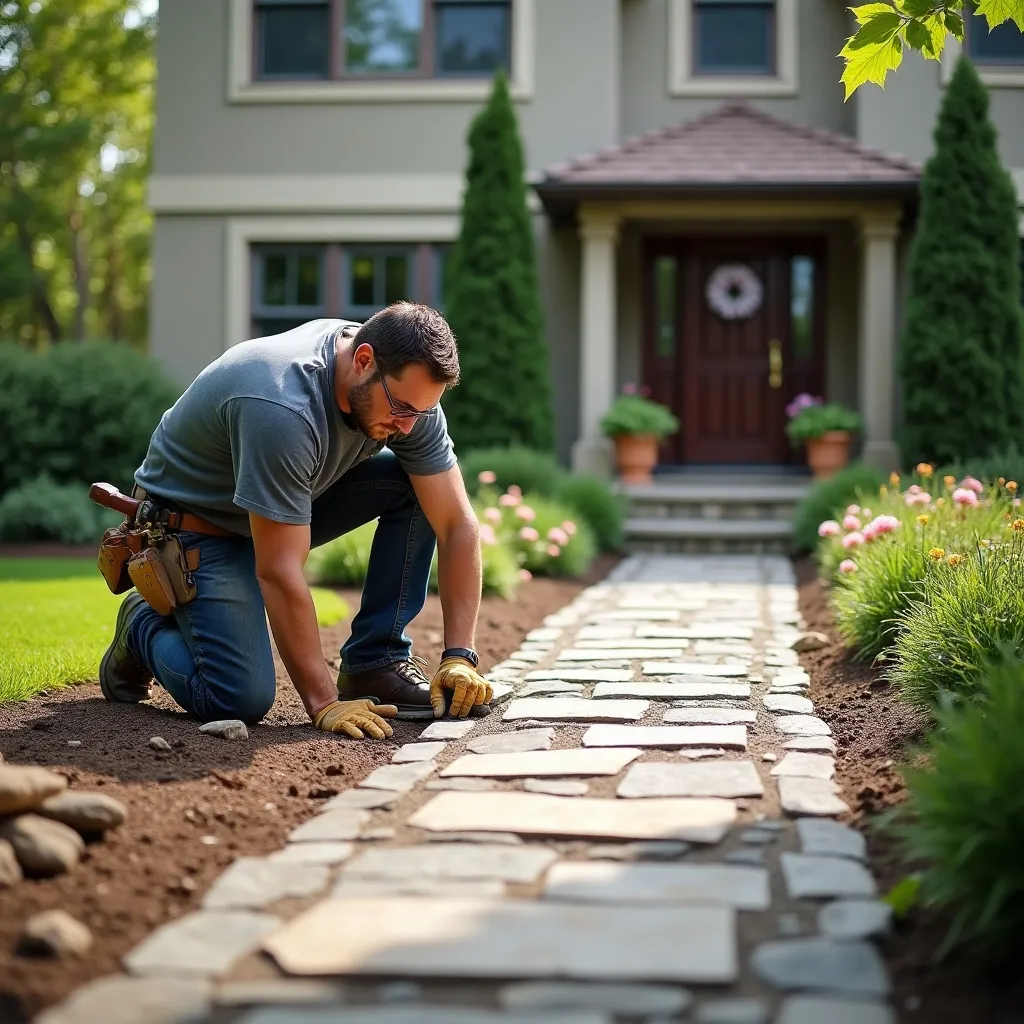
Hardscaping denotes the non-vegetation features of landscape design, covering structures such as patios, walkways, and retaining walls. This component plays a vital role in outdoor spaces, delivering structure and usability. By incorporating hardscaping, homeowners can establish defined areas for relaxation, entertainment, and navigation, improving the overall usability of a yard.
Furthermore, hardscaping elements enhance the visual beauty of a landscape, providing contrast to plants and seasonal foliage. They can be created in various styles and materials, enabling individual customization that complements the architecture of a home.
Moreover, hardscaping enhances water drainage and soil erosion prevention, decreasing landscape care and safeguarding the structural soundness of the surrounding environment. Overall, it functions as a foundational aspect of landscape architecture, uniting beauty with practicality, and making certain that outdoor spaces are both appealing and enduring.
Critical Hardscaping Aspects for a Charming Outdoor Environment
Crafting an appealing exterior space often depends on incorporating essential landscaping elements that enhance both functionality and visual charm. Important elements such as patios, walkways, and retaining walls provide organization and order, directing movement through the landscape. Patios act as gathering spots for meetings, while walkways establish secure passages, connecting different areas seamlessly.
Adding features like see this fire pits or outdoor kitchens can elevate social engagement, providing warmth and gastronomic delights under the open sky. Additionally, ornamental rocks, gravel, or mulch can be used to outline garden beds and pathways, adding texture and contrast.
Water structures, such as fountains or ponds, introduce calming sounds and a sense of tranquility. Finally, properly positioned lighting boosts safety while showcasing architectural details during the evening hours. Altogether, these hardscaping elements contribute to a harmonious, appealing environment that encourages outdoor enjoyment.
What's the Optimal Way to Pick Premium Products for Your Hardscaping?
Determining the right selections for hardscaping assignments is important for attaining permanence and visual appeal. Homeowners should consider points such as seasonal conditions, maintenance needs, and the intended use of the zone. For example, stone varieties offers a perpetual appearance and exceptional durability, making it suitable for patios and walkways. Conversely, concrete pavers provide versatility in design and shade, while being cost-effective.
Additionally, the decision between porous and non-porous materials can affect water flow and outdoor design. Permeable options, like permeable pavers, allow water to percolate, decreasing runoff and erosion.
It is also important to pick materials that complement existing structures and the overall landscape. By coordinating the hardscape features with the home’s architecture and surrounding greenery, a cohesive and appealing outdoor area can be achieved. Ultimately, the right materials will not only enhance aesthetics but also guarantee long-lasting functionality.
Crafting Functional and Aesthetic Outdoor Spaces
Converting external areas into functional and aesthetic spaces requires a thoughtful approach balancing architectural features with usefulness. Effective hardscaping incorporates pathways, patios, and retaining walls that balance both practicality and beauty. By picking materials that harmonize with the surrounding landscape, homeowners can create a seamless flow between built and natural environments.
Installing amenities such as seating areas, burning areas, or patio cooking areas enhances the practicality of the space while fostering social interactions. Moreover, proper attention to water flow and lighting guarantees that the area remains safe and accessible in multiple conditions.
Plants and decorative stones when placed strategically can soften hard edges, introducing a touch of nature to the layout. Ultimately, a carefully designed outdoor area not only showcases personal style but also accommodates everyday activities, making it a valuable addition to your residence.
Hardscaping Upkeep Suggestions for Extended Life
Maintaining hardscaping elements is vital for ensuring their longevity and aesthetic appeal. Regular maintenance cleaning and seasonal inspections combined with prompt repairs of any damage play important functions in preserving these outdoor structures. By following these maintenance tips, homeowners can boost both the durability and appearance of their hardscaped areas.
Everyday Cleaning Techniques
Regular maintenance routines greatly enhance the durability of hardscape elements. Routine maintenance prevents the accumulation of dirt, debris, and organic materials that can lead to discoloration and decay. Regularly sweeping surfaces keeps loose particles at bay and reduces the risk of algae or moss development. For more difficult marks, a mild pressure washing can effectively remove dirt without damaging the material. Additionally, applying a pH-neutral cleaner guarantees that the stability of the hardscaping is maintained. It is also important to examine joints and seams for any signs of damage or wear, as these zones may require more focused maintenance. By adopting these methods, property owners can preserve the aesthetic appeal and structural integrity of their exterior areas.
Why Seasonal Examinations Matter
Undertaking seasonal inspections is important for the longevity of hardscaping elements. These reviews help property owners identify wear and tear caused by changing weather conditions, such as freeze-thaw cycles or heavy rainfall. Regular inspections aid in ensuring that joints, pavers, and retaining walls remain secure and free from cracks or shifting. In addition, checking drainage systems is vital to prevent water accumulation, which can result in structural damage over time. Seasonal evaluations also offer chances to refresh surfaces and tackle any minor issues before they escalate into major repairs. By making these inspections a priority, homeowners can copyright the appearance and functionality of their outdoor spaces, ultimately extending the useful life of their hardscaping investments.
Mending Damage Promptly
Taking action on damage at once is essential for safeguarding the integrity of hardscaping features. Disregarding small problems, including cracks in pavers or unstable boundary walls, may lead to more severe problems eventually. Periodic inspections help identify these concerns in a timely fashion, permitting quick repairs that keep homeowners from expensive renovations. To illustrate, filling cracks with appropriate products improves looks while blocking moisture seepage, which leads to additional deterioration. Realigning bricks strengthens functionality and security. Property owners must consider seasonal damage, addressing any deterioration prior to severe weather conditions amplify the situation. Through prioritizing timely fixes, the durability and aesthetic appeal of hardscaping elements remains properly preserved
Hardscaping's Ability to Boost Property Value
Hardscaping significantly improves property value by enhancing curb appeal and constructing functional outdoor spaces. Well-designed patios, walkways, and retaining walls not only appeal to potential buyers but also offer practical areas for entertainment and enjoyment. These improvements can yield a higher return on investment for homeowners.
Boosted home's first impression
While many homeowners seek ways to improve their properties, adding hardscaping elements can significantly enhance curb appeal. Features like stone pathways, retaining walls, and decorative patios create a visually appealing exterior that appeals to potential buyers. The aesthetic appeal of well-crafted hardscaping not only bolsters landscaping but also defines a unique tone for the property. Furthermore, quality materials and craftsmanship can signal to buyers that the home has been well-maintained, further enhancing perceived value. Properly crafted hardscaping not only boosts visual appeal but also contributes to a harmonious design, making the home be prominent in the neighborhood. In conclusion, these improvements can lead to a significant boost in property value, making hardscaping a sound investment for homeowners.
Useful External Spaces
Building well-designed exterior areas through landscape construction can significantly improve a property's overall value. By incorporating features such as patios, walkways, and retaining walls, homeowners can increase usability and visual appeal. These hardscaped areas provide versatile spaces for entertaining, relaxation, and recreation, making the property more appealing to potential buyers. Additionally, well-designed hardscaping can improve drainage and lower upkeep expenses, further appealing to prospective homeowners. Properties with functional outdoor spaces often stand out in the real estate market, as they allow for a seamless blend of indoor and outdoor living. Ultimately, investing in hardscaping not only elevates the aesthetic of a property but also contributes considerably to its market value, making it a smart choice for homeowners.
What Important Elements Should You Examine When Appointing Qualified Hardscaping Providers?
When searching for professional hardscaping services, what important considerations should be considered to guarantee a completed project? First, a reputable contractor should have appropriate licenses and insurance to guarantee responsibility and safeguarding against potential liabilities. In addition, examining a collection of previous work provides insight into the caliber and approach of services. Customer reviews and referrals can additionally confirm the contractor's reliability and professionalism.
Additionally, obtaining various quotes allows for a superior understanding of market rates and supports in making informed decisions. It's vital to examine the contractor's experience with specific substances and styles, confirming they can meet distinct project needs. Dialogue abilities also hold an key role; a contractor should be open to addressing proposals, deadlines, and expenditures. Finally, validating that the contractor supplies a thorough formal agreement can prevent disputes and clarify project objectives, producing a more fluid execution.
Commonly Posed Questions
What Is the Typical Price of Hardscaping Services?
The average cost of hardscaping services varies considerably, generally ranging from $15 to $50 per square foot. Factors affecting costs consist of materials, labor, project complexity, and regional market variations, impacting overall investment needs for property owners.
What's the Typical Duration of a Hardscaping Project?
Hardscaping projects normally take anywhere from a few days to several weeks, reliant on the project's difficulty, size, and the materials used. Atmospheric factors and crew availability can also impact the timeline markedly.
Should Hardscaping Be attempted yourself or Is getting professional help Necessary?
Hardscaping is capable of being DIYed, but professional help is frequently recommended for complex projects. Expertise guarantees durability and aesthetics, while inexperienced attempts may cause costly mistakes, compromising the overall quality and longevity of the installation.
Do weather-related factors impact hardscaping installations?
Seasonal considerations for hardscaping work include temperature variations, rainfall, and ground conditions. Spring and fall are optimal for installation, while winter can create challenges with materials and drainage. Planning ahead ensures durability and aesthetic appeal throughout the year.
What Licenses Are Required for Hardscaping Projects?
Permits for hardscaping installations typically include zoning authorizations, construction licenses, and possibly ecological authorizations, depending on municipal guidelines. Homeowners should consult their municipality to confirm conformance with all regulatory standards before commencing any project.
Report this page